
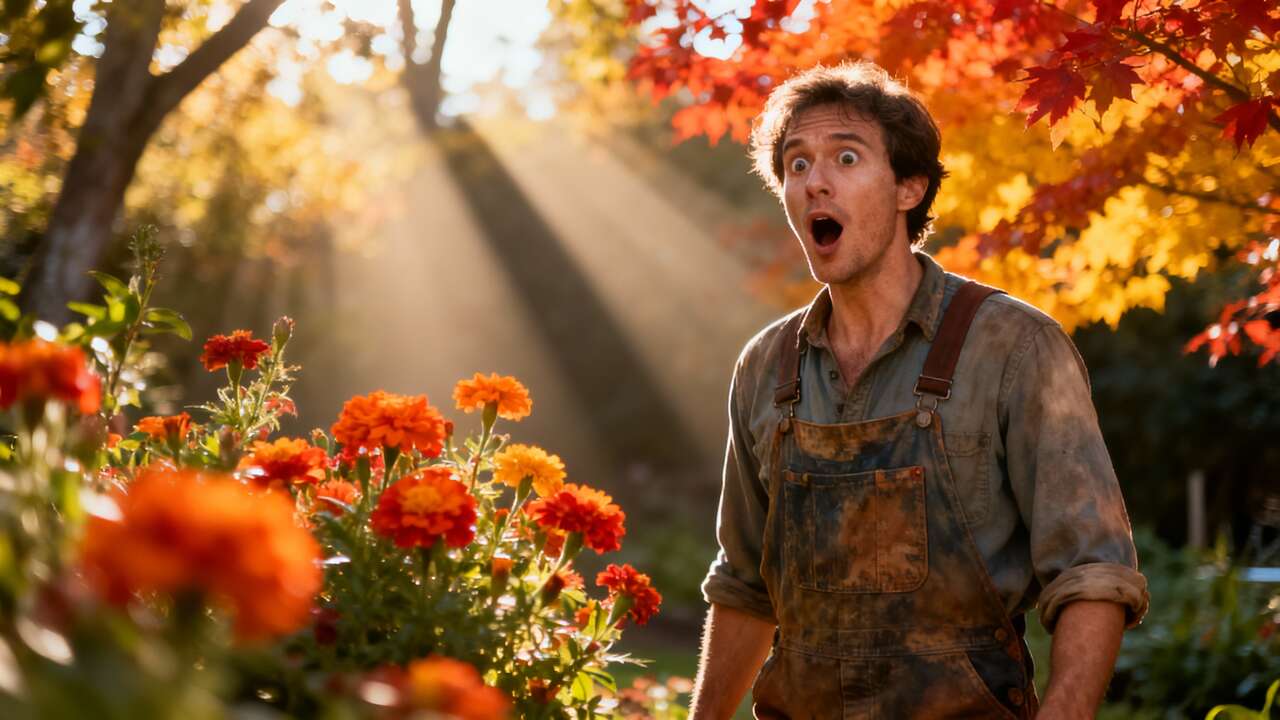

For many gardening enthusiasts, the arrival of autumn signals a time to retreat indoors, leaving their green spaces to slow down and prepare for the winter months. The conventional wisdom has long been to tidy up, cut back, and wait for spring’s thaw. However, a growing body of evidence, supported by the startling experience of a once-skeptical gardener, reveals that this perspective overlooks a crucial opportunity. Contrary to popular belief, the fall season is not an end but a pivotal beginning, a time for planting bulbs that yield some of the most dazzling and rewarding blooms come spring.
The Doubt Over Fall Planting
A Widely Held Misconception
The prevailing mindset among many home gardeners is that autumn is a season of closure. It is a time for raking leaves, composting spent annuals, and putting the garden to bed for the winter. The idea of introducing new life into the soil as temperatures drop seems counterintuitive, even illogical. This skepticism is rooted in the visible cues of nature: trees shedding their leaves, perennials dying back, and a general sense of dormancy settling over the landscape. Why, the thinking goes, would one invest time and money planting something that must immediately face the harshness of winter ?
The Skeptic’s Point of View
One gardener, in particular, embodied this doubt. For years, he viewed fall planting as a pointless exercise, a gardener’s gamble with predictably poor returns. He believed that any bulb committed to the cold, damp earth in october was destined to rot or freeze long before it had a chance to sprout. To him, it was an act of wasted effort and resources, a futile attempt to defy the natural cycle of death and dormancy. He saw his neighbors buying bags of tulips and daffodils with a sense of bemusement, convinced their spring gardens would be sparse and disappointing.
Perceived Risks Versus Rewards
The hesitation is not just based on intuition but also on a practical assessment of risk. The effort required to dig and plant in the cooling weather, combined with the cost of high-quality bulbs, seems substantial for a reward that is months away and far from guaranteed. The fear of failure looms large, with potential threats like burrowing rodents, soil rot from excessive rain, or a particularly brutal winter solidifying the belief that it is simply better to wait for the safety of spring.
| Factor | Skeptic’s View of Fall Planting | Conventional Spring Planting |
|---|---|---|
| Effort | High effort for an uncertain, distant outcome. | Immediate effort for a relatively quick reward. |
| Risk of Loss | High risk from winter freeze, rot, and pests. | Lower risk as conditions are favorable for growth. |
| Timing | Feels unnatural; planting during a season of decay. | Feels natural; planting during a season of renewal. |
This deep-seated doubt made the eventual discovery of what he was missing all the more profound, forcing a complete reevaluation of his gardening calendar.
Discovery of an Unexpected Garden
A Moment of Revelation
The shift in perspective came abruptly one late winter morning. While his own garden remained a tapestry of brown and grey, a neighbor’s yard had erupted in a defiant splash of color. Patches of brilliant purple, yellow, and white dotted the landscape, seemingly appearing overnight from the cold, hard ground. It was not just a few brave flowers; it was a vibrant, thriving display that stood in stark contrast to the dormancy surrounding it. The sight was so unexpected and so beautiful that it stopped him in his tracks, sparking a curiosity that quickly replaced his long-held skepticism.
An Early and Vibrant Display
Upon closer inspection, he identified a variety of flowers that he had always associated with mid-spring, yet here they were, blooming vigorously while a frost still lingered in the air. The garden was a carefully orchestrated wave of early color, a testament to a process he had dismissed for years. The display included:
- Snowdrops: delicate white bells pushing directly through the last remnants of snow.
- Crocuses: brilliant cups of purple and yellow clustered together, creating a jewel-toned carpet.
- Early Daffodils: cheerful yellow trumpets that signaled the undeniable arrival of spring, weeks ahead of schedule.
- Irises: specifically, iris reticulata, with their intricate and deeply colored petals, adding an exotic touch to the scene.
Uncovering the Simple Secret
Driven by this stunning visual evidence, he finally spoke with his neighbor, expecting to hear about some complex, high-effort gardening technique. The secret, however, was astonishingly simple: all of those bulbs had been planted the previous autumn. His neighbor explained that the cold winter period was not a threat but a necessary requirement for these flowers to bloom. The fall planting had given them the head start they needed to develop strong roots and undergo a crucial chilling process, allowing them to emerge at the very first hint of spring. This discovery dismantled his old beliefs and set him on a new path, eager to understand the fundamentals he had ignored for so long.
With this newfound knowledge, the next logical step was to learn the correct methods to replicate this success in his own garden.
Essential Steps for Successful Planting
Selecting the Appropriate Bulbs
The first and most critical step is choosing the right type of bulbs. Not all bulbs are meant for fall planting. The key is to select spring-blooming bulbs, as these are the species that require a period of cold dormancy to trigger their flowering cycle. Summer-blooming bulbs, such as dahlias and gladioli, are planted in the spring after the danger of frost has passed. For a spectacular spring show, focus on acquiring healthy, firm bulbs from reputable sources. Avoid any that are soft, moldy, or desiccated.
Mastering Soil Preparation
A successful spring bloom begins with the soil. Most bulbs are susceptible to rot, making excellent drainage an absolute necessity. If you have heavy clay soil, it is essential to amend it. Work in several inches of organic matter like compost, shredded leaves, or well-rotted manure to improve its structure and drainage. The ideal location is one that receives adequate sunlight in the spring. Remember that areas under deciduous trees are often perfect, as the bulbs will receive full sun before the trees leaf out.
Technique, Depth, and Spacing
Proper planting technique ensures the bulbs have the best chance of survival and vigorous growth. A general rule of thumb is to plant a bulb at a depth that is two to three times its height. Planting them in clusters or drifts rather than single, straight lines creates a more natural and visually impactful display. Always place the bulb with the pointy end facing up, as this is where the stem will emerge. After planting, water the area thoroughly to settle the soil and encourage initial root growth before the ground freezes.
| Bulb Type | Recommended Planting Depth | Ideal Spacing |
|---|---|---|
| Tulip | 6-8 inches | 4-6 inches apart |
| Daffodil | 6-8 inches | 5-7 inches apart |
| Crocus | 3-4 inches | 2-3 inches apart |
| Hyacinth | 5-6 inches | 5-6 inches apart |
| Allium | 4-8 inches (varies by size) | 6-12 inches apart |
Understanding these essential steps is crucial, but it is the unique environmental conditions of the autumn season itself that truly make this process work so effectively.
The Crucial Role of the Autumn Season
The Biological Trigger of Vernalization
The single most important reason to plant in the fall is a biological process called vernalization. Many spring-blooming plants, especially those originating from colder climates, have evolved to require a prolonged period of cold temperatures to initiate flowering. This natural chilling period, typically between 32 and 50 degrees fahrenheit for several weeks, signals to the bulb that winter has passed and it is time to grow. Planting in autumn allows the bulbs to experience the full, natural cycle of cooling temperatures, ensuring a robust and timely bloom. Without this cold treatment, many tulips, hyacinths, and crocuses would fail to flower altogether.
Ideal Conditions for Root Establishment
While the air in autumn grows crisp and cool, the soil retains warmth from the preceding summer months. This creates a perfect environment for root development. The bulb can focus all its energy on establishing a strong, healthy root system without the pressure of producing leaves or flowers. This foundational stage is critical for the plant’s stability and its ability to absorb nutrients and water once spring arrives. By the time the ground freezes solid, the bulb is well-anchored and prepared to weather the winter.
A Favorable Natural Environment
Autumn offers other distinct advantages. The season typically brings more consistent rainfall than the dry spells of late summer, reducing the need for supplemental watering and helping the bulbs settle in. Furthermore, many garden pests and diseases become less active as the weather cools. This decline in pest pressure gives the newly planted bulbs a safer window to establish themselves without being attacked by insects or soil-borne pathogens. Essentially, nature provides a protective and nurturing environment for these nascent flowers.
This careful preparation during the fall months culminates in a truly spectacular and seemingly effortless display when the seasons turn once more.
The Magic of the Following Spring
Witnessing the First Emergence
There is a unique and profound satisfaction in seeing the first green shoots of fall-planted bulbs pierce the cold, often snow-dusted, ground. For the gardener who once doubted, this moment is a validation of newfound wisdom. These first signs of life are a powerful antidote to the winter blues, a tangible promise that warmth and color are returning. This early emergence is a direct result of the extensive root system developed months prior, which allows the plant to spring into action as soon as soil temperatures begin to rise.
A Choreographed Sequence of Blooms
A thoughtfully planned autumn planting does not result in a single, fleeting burst of color. Instead, it creates a continuous and evolving display that can last for months. By selecting bulbs with different bloom times, a gardener can choreograph a symphony of flowers that unfolds in successive waves.
- Late Winter: snowdrops and winter aconite are the first to appear, often in february.
- Early Spring: crocuses and early irises follow, creating a carpet of low-growing color.
- Mid-Spring: daffodils and hyacinths take center stage with their bright colors and strong fragrances.
- Late Spring: tulips in a vast array of forms and colors, followed by the dramatic spheres of ornamental alliums, provide a grand finale.
The Unmistakable Difference in Vigor
When compared to a garden where planting is left until spring, the difference is stark. Flowers from fall-planted bulbs are typically larger, stronger, and more numerous. They have had months to establish themselves, resulting in more robust plants that are better equipped to handle unpredictable spring weather. The garden that was prepared in the fall is a vibrant, living ecosystem weeks, or even months, before others begin to show signs of life. This head start not only provides early beauty but also sets the stage for a healthier garden throughout the year.
This early and robust performance is impressive, but the strategy of fall planting holds even more surprises for the patient gardener.
The Surprise Effect of Late Blooms
Extending the Season Beyond Expectations
While many associate fall-planted bulbs with the earliest signs of spring, the strategy also pays dividends well into the later part of the season. Many gardeners are surprised to learn that some of the most dramatic and architectural flowers, like giant alliums and certain varieties of late-season tulips, also require fall planting. These bulbs emerge after the daffodils and early tulips have faded, bridging the gap between the spring bulb show and the emergence of summer perennials. This extends the “surprise” of the fall planting effort, ensuring the garden remains dynamic and full of interest.
Advanced Techniques for Maximum Impact
For those looking to create a truly stunning display, fall planting allows for advanced design techniques. One popular method is “lasagna planting” or layering bulbs in a single hole or container. Larger, later-blooming bulbs like tulips are placed at the bottom, a layer of soil is added, then smaller, earlier-blooming bulbs like crocuses or grape hyacinths are planted on top. This creates a compact, multi-layered, and long-lasting floral display from a single spot. It is a highly efficient use of space that delivers a professional-looking result.
The Enduring Psychological Reward
Perhaps the most significant surprise is the profound psychological impact of the garden’s transformation. Emerging from a long, grey winter to be greeted by a burst of vibrant, living color provides an unparalleled emotional lift. It is a powerful reminder of nature’s resilience and the rewards of foresight and patience. For the gardener who once dismissed the practice, this annual spectacle becomes a source of immense pride and joy, forever changing his relationship with the autumn season. The “shock” is not just the unexpected flowers, but the realization of the beauty that was waiting just beneath the surface all along.
The journey from staunch skepticism to enthusiastic advocacy illustrates a powerful gardening truth. By aligning with nature’s cycles instead of resisting them, one can unlock a garden’s full potential. Fall is not a time for endings but a season of quiet preparation, laying the groundwork for a spring revival that is nothing short of spectacular. The simple act of placing a bulb in the cool autumn soil is an investment in future joy, a secret that, once discovered, transforms the very rhythm of the gardening year.

- How to Grow Mushrooms at Home Using Kitchen Scraps - 8 November 2025
- How to Bring Outdoor Plants Indoors Without Spreading Pests - 8 November 2025
- 5 Herbs You Can Harvest Indoors All Year Round - 8 November 2025
Pubblicazioni simili :
 Plant This Shrub in Fall and Watch It Bloom in December to Brighten Your Garden All Winter
 How Japanese Gardeners Prune Hydrangeas in Fall for a Spectacular Spring Bloom
 If Your Flower Bed Looks Dull, Plant These Tough Fall Perennials for a Stunning, Water-Free Garden
 I Always Plant This Veggie in Fall” — Ready to Harvest by Mid-Autumn Every Year